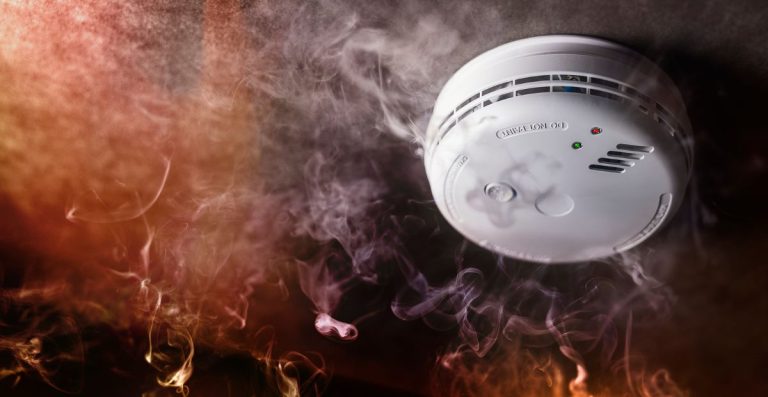

How fire alarm monitoring differs from burglary alarm monitoring
When it comes to protecting your home or business, no two threats are exactly alike. Fire and theft are two of the most common risks property owners face, but the systems that protect you from each are designed to operate in very different ways. While both fire alarm monitoring and burglary alarm monitoring serve the same goal, keeping your property and occupants safe, their technologies, response protocols, and regulatory requirements are not the same.
At ProActive Integrated Security, we’ve spent over 20 years helping homeowners and business owners throughout Vancouver and the Lower Mainland safeguard their properties with reliable, code-compliant alarm systems. This article explains the key differences between fire alarm monitoring and burglary alarm monitoring, how each works, and why professional monitoring for both is essential.
Why professional monitoring matters
An unmonitored alarm can only do so much. Sirens and flashing lights may scare off an intruder or alert someone nearby, but without a professional monitoring center responding in real time, valuable minutes can be lost during an emergency.
Professional monitoring provides:
-
- 24/7 protection—trained operators respond immediately when an alarm is triggered.
- Faster emergency response—dispatchers contact the appropriate authorities within seconds.
- Peace of mind—you’re protected even when you’re not home or on-site.
Both fire alarm and intrusion systems rely on this same principle, but they differ significantly in how they are designed, how they report emergencies, and which agencies respond to those signals.
How fire alarm monitoring works
Fire alarm monitoring is a life safety service that ensures your fire detection system automatically alerts first responders when smoke, heat, or flames are detected. These systems are regulated by strict provincial codes and national standards to ensure compliance and reliability.
Key components of a fire alarm system
-
- Smoke and heat detectors: Sense the early signs of fire and trigger alarms.
- Manual pull stations: Allow occupants to activate alarms manually.
- Audible and visual alarms: Alert everyone in the building to evacuate immediately.
- Fire alarm control panel (FACP): The system’s brain, which receives signals and transmits them to the monitoring center.
- Communication module: Sends alarm data to a U.L.C.-listed monitoring station via phone line, cellular, or IP network.
Once a signal is received, trained operators at the monitoring center immediately contact the local fire department and key contacts for the building. Because every second counts in a fire, automatic dispatching is critical, operators don’t verify the alarm with the property owner before calling fire services.
Code and compliance requirements
Fire alarm systems are governed by the BC Fire Code, CAN/ULC-S524, and CAN/ULC-S537 standards, which specify installation, testing, and monitoring requirements.
In most cases, monitored fire alarm systems are required by law for commercial buildings, apartment complexes, and public facilities. They must be inspected annually by certified technicians and monitored by a U.L.C.-certified central station.
At ProActive Integrated Security, we design, install, and monitor fire alarm systems that fully comply with provincial and national codes, ensuring both safety and legal compliance for your property.
Response procedure
Because fire spreads rapidly, response speed is critical. When a fire alarm signal is transmitted to the monitoring center, operators follow this exact process:
-
- Receive and verify the fire alarm signal.
- Immediately dispatch the local fire department.
- Notify the property’s emergency contacts.
- Continue monitoring until responders confirm the situation is under control.
Unlike intrusion systems, there is no verification step before dispatching, as any delay could cost lives or increase damage.
How burglary alarm monitoring works
Burglary alarm monitoring focuses on protecting property rather than life safety. These systems detect unauthorized entry, motion, or tampering, and alert both property owners and the monitoring station when triggered.
Key components of a burglary alarm system
-
- Door and window sensors: Detect forced entry or opening.
- Motion detectors: Sense movement within secured areas.
- Glass-break sensors: Identify the sound or vibration of breaking glass.
- Control panel: Manages system arming, disarming, and communication.
- Siren or strobe lights: Warn intruders and alert occupants.
- Monitoring communication path: Sends alerts to the central station via cellular, IP, or landline connection.
Once an alarm is triggered, the monitoring center typically attempts to verify the event before contacting police to reduce false alarms. Verification may include calling the premises, checking secondary sensors, or using video footage if available.
Verification and response
Because intrusion alarms can sometimes be triggered accidentally, most monitoring centers follow a two-step verification process before contacting law enforcement.
-
- The monitoring center receives the alarm signal.
- Operators attempt to contact the property owner or designated keyholder.
- If verification fails or a threat is confirmed, operators dispatch police.
- A notification is sent to the property owner once responders are on the way.
This approach ensures appropriate use of emergency resources while maintaining rapid response when a true threat occurs.
Why monitoring makes a difference
Even though burglary systems are not usually required by law, they offer major benefits for homeowners and businesses:
-
- Reduced likelihood of theft or vandalism.
- Faster police response during break-ins.
- Potential insurance premium discounts.
- Greater peace of mind when traveling or after hours.
At ProActive Integrated Security, our intrusion systems integrate seamlessly with professional monitoring, mobile app alerts, and smart automation features. You’ll always know what’s happening on your property, even when you’re away.
The main differences between fire alarm and burglary alarm monitoring
Although both systems use similar technology and 24/7 monitoring centers, their purpose, regulations, and response procedures are very different.
1. Purpose and risk type
-
-
- Fire alarm monitoring protects life and property from fire and smoke.
- Burglary alarm monitoring protects property from theft, intrusion, and vandalism.
-
Fire systems are life-safety devices, while intrusion systems are primarily for property protection.
2. Response protocol
-
-
- Fire alarms: Automatically dispatched to fire services with no verification delay.
- Burglary alarms: Usually verified with the property owner before police are contacted.
-
This difference exists because false alarms are more common in intrusion systems but far less tolerable for fire emergencies.
3. Regulatory oversight
-
-
- Fire alarm systems are strictly regulated under the BC Fire Code and require U.L.C.-certified monitoring.
- Burglar alarm systems are not mandated by law but must comply with provincial licensing and installation standards.
-
At ProActive Integrated Security, we are fully licensed, bonded, and U.L.C.-listed, ensuring all installations meet or exceed regulatory standards.
4. Maintenance and inspection frequency
-
-
- Fire systems require annual inspections and detailed recordkeeping.
- Intrusion systems should be tested monthly by users and serviced annually by professionals.
-
Maintaining both systems ensures optimal performance and compliance with insurance and building requirements.
5. Communication and integration
Modern systems often combine both types of monitoring through a single platform. For example, a commercial building might have a unified system that detects both fire and intrusion events but routes them differently to the monitoring station.
Fire signals trigger immediate dispatch to fire services, while intrusion alerts follow verification steps before police contact.
Real-world example: integrated protection in Burnaby
A commercial property in Burnaby recently upgraded its aging fire and intrusion systems through ProActive Integrated Security. The new setup included a monitored fire alarm control panel with heat and smoke detectors, plus a hybrid intrusion system with motion and glass-break sensors linked to the same U.L.C.-certified monitoring center.
When a smoke detector activated during an electrical issue in the warehouse, the monitoring station dispatched the fire department immediately, preventing major damage. Later, when an entry alarm was triggered after hours, operators verified the intrusion and contacted police. The system demonstrated how an integrated monitoring approach can manage both risks effectively while maintaining proper response protocols.
Why you should have both systems monitored
Some property owners assume that one system is enough, but each protects against very different risks. A fire can destroy property in minutes, while a break-in can lead to theft, vandalism, or business interruption.
Benefits of dual monitoring include:
-
- Comprehensive protection for life and property.
- Faster emergency response for any type of event.
- Compliance with fire codes and insurance requirements.
- Simplified management through a single trusted provider.
Our team at ProActive Integrated Security can design a unified monitoring solution that handles both fire and intrusion events through a single interface—making it easier to manage your entire security system while ensuring every alarm gets the right response.
Proudly serving the Lower Mainland
ProActive Integrated Security has proudly operated in the Lower Mainland for more than 20 years, serving both residential and commercial clients throughout the region.
Our service areas include:
Our team lives and works in these communities, which means when you call us, you’re speaking directly with local professionals who care about your safety and satisfaction.
Protect your home or business with professional monitoring
Ready to ensure your property is fully protected from both fire and intrusion threats?
At ProActive Integrated Security, we provide U.L.C.-certified fire alarm monitoring and burglary alarm monitoring for homes, commercial buildings, and multi-unit properties across the Lower Mainland. Our licensed technicians install, test, and maintain systems that meet all BC Fire Code and insurance requirements, providing you with 24/7 peace of mind.
Call (604) 522-2121 today or request a consultation online. We proudly serve Vancouver, Burnaby, Surrey, Langley, Coquitlam, and surrounding areas with professional alarm installations, system upgrades, and reliable 24-hour monitoring.
Protect your property from every angle with ProActive Integrated Security—the Lower Mainland’s trusted alarm monitoring experts.